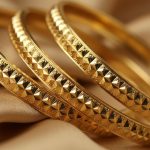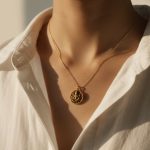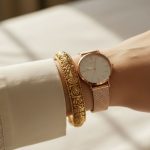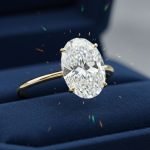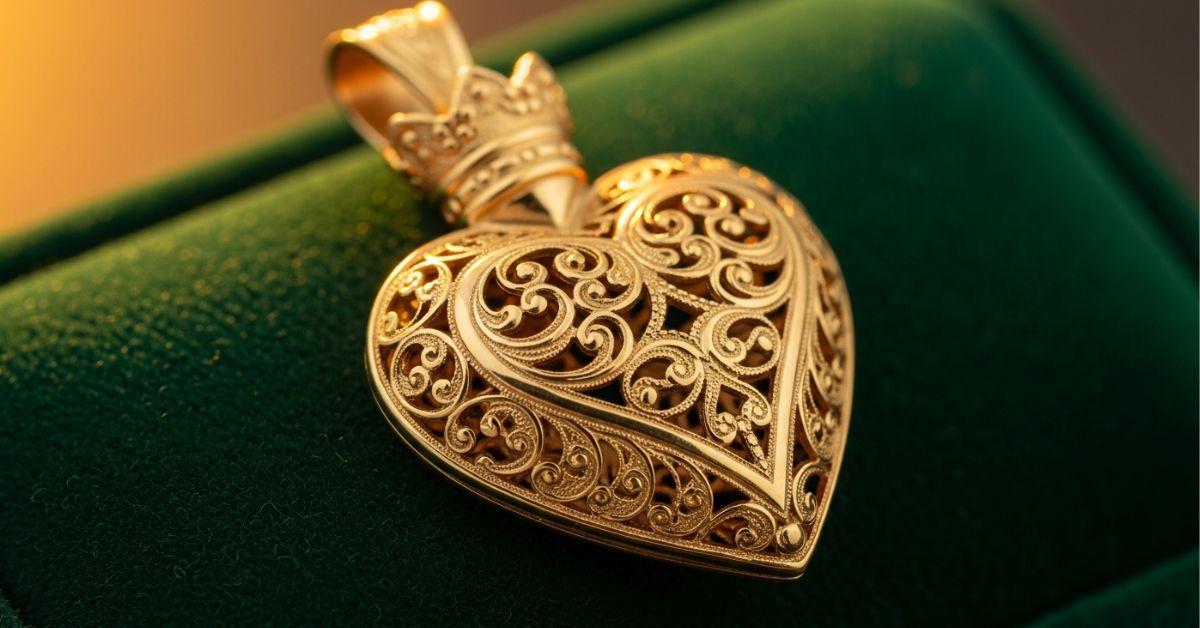
In the world of fine jewelry, the heart motif has always been a constant. But if you look closely at the trends of 2026, you’ll notice a dramatic departure from the flat, mass-produced silhouettes of the past. The “minimalist” heart is stepping aside to make room for something far more captivating: the ornate heart pendant.
This year, we are seeing a return to Victorian-inspired opulence and sculptural maximalism. These aren’t just charms; they are intricate pieces of miniature architecture. For the modern woman, an ornate heart is a way to wear her emotions with a “boss” edge—it’s romantic, yes, but it’s also undeniably powerful.
What Makes a Heart “Ornate” in 2026?
In 2026, “ornate” is defined by texture and depth. We are moving away from simple “open hearts” and moving toward designs that tell a visual story through three key artistic styles:
1. The Filigree Revival
Jewelers are using 22k gold wires as thin as silk to weave “lace” patterns into the heart’s center. These designs often feature mandala-inspired symmetry or floral vines that wrap around the heart, making the metal feel light and airy despite its large size.
2. The “Witch’s Heart” & Crowned Motifs
A major niche trend this year is the Witch’s Heart—a heart with a distinctive “kick” or twist at the bottom, symbolizing being “bewitched” by love. When topped with a tiny gold crown, it becomes a Crowned Heart, a symbol of loyalty and noble devotion that dates back to the 17th century but feels incredibly fresh paired with a 2026 pantsuit.
3. Anatomical Realism
For the fashion-forward, the “ornate” detail comes from realism. These hearts feature gold “arteries” and textured surfaces that mimic a real human heart. It’s a darker, more intellectual take on the symbol that appeals to those who find traditional hearts too “girly.”
Technical Mastery: Investing in Ornate Gold
Because ornate designs feature so many nooks and crannies, the technical quality of the gold is paramount. If you are buying an ornate heart pendant in 2026, here is your investment checklist:
- Purity (18k vs. 22k): For intricate filigree or stone-heavy designs, 18k gold is often preferred because it is harder and holds the fine details better. However, for a purely gold-textured piece (like a hammered or “frosted” gold heart), 22k gold offers that unmatched, rich yellow glow that traditionalists love.
- The “Frosting” Technique: Look for pieces that mix polished gold with frosted (matte) gold. This creates an interplay of light and shadow that makes the “ornate” details pop without needing a single diamond.
- Weight Sensitivity: An ornate heart can be deceptively heavy. Ensure the “bail” (the loop that holds the chain) is reinforced. A 10-gram ornate heart on a thin, weak bail is a recipe for a lost heirloom.
Pro Tip: The “Contrast” Style
In 2026, the chicest way to wear an ornate gold heart is on a black silk cord or a chunky silver chain. This “Mixed Metal” look highlights the intricate gold work of the heart and prevents the outfit from looking too “bridal” or traditional.
Styling the Ornate Heart: From Boardroom to Ballroom
The biggest mistake people make is saving ornate jewelry for “special occasions.” In 2026, the rule is: The more complex the jewelry, the simpler the outfit.
The “Power Casual” Look
Pair a large, gold-filigree heart pendant with a white, oversized button-down shirt and structured denim. Let the pendant hang long—around 20 to 22 inches—so it sits over the fabric. This adds a layer of “Quiet Luxury” to an otherwise basic outfit.
The Modern Ethnic Fusion
If you’re attending a wedding, skip the heavy necklace set. Instead, wear one massive ornate heart pendant (30+ grams) on a thick gold rope chain. It’s a cleaner, more modern way to show off your gold without the “clutter” of multiple pieces.
The “Self-Love” Statement
More women in 2026 are buying ornate hearts for themselves. Styling a medium-sized ornate heart with “initial” charms on a shorter 16-inch chain is the ultimate personalized stack.
Caring for Intricate Designs
Ornate jewelry is a dust magnet. Because of the “net” patterns and deep carvings:
- Use an Ionic Cleaner: If your heart is plain gold (no soft gems like pearls or opals), an ionic or ultrasonic cleaner is the only way to get into the microscopic filigree gaps.
- The Makeup Rule: Never put on your ornate heart before your perfume or setting spray. The chemicals will settle into the carvings and create a “film” that is nearly impossible to scrub out.
- Flat Storage: Never “clump” your ornate heart with other jewelry. The fine wires of the filigree can easily snag on a chain or an earring post and bend out of shape.
Conclusion: A Piece of Your History
An ornate heart pendant is more than a trend; it’s a commitment to craftsmanship. In a world of fast fashion, choosing a piece that requires hours of a goldsmith’s time to weave and polish is a powerful statement. Whether you’re buying a Victorian-style locket or a modern “molten” heart, you are investing in a piece that will be just as beautiful in 2076 as it is in 2026.
Are you drawn to the romantic “lace” of filigree or the edgy “Witch’s Heart” silhouette? Tell me your favorite heart style in the comments!
FAQs
1. Is an ornate heart pendant suitable for daily wear?
It depends on the construction. A “solid” ornate heart with hammered or frosted textures is perfect for daily wear. However, “filigree” hearts (made of thin gold wires) are delicate and can snag on knitwear or scarves. Save the delicate lace designs for office or evening wear.
2. Why are ornate hearts more expensive than plain ones of the same weight?
You are paying for “Labor” or “Making Charges.” An ornate heart requires significantly more time to hand-finish, polish, and assemble. In 2026, making charges for high-detail ornate pieces can range from 15% to 25% of the gold value, compared to 8-10% for a plain heart.
3. What is the best chain for a heavy ornate heart?
A Wheat (Espiga) chain or a Rope chain is the best choice. These chains are “braided,” making them incredibly strong and kink-resistant. Avoid “Snake” chains with heavy ornate pendants, as the weight can cause the chain to snap if it catches on something.