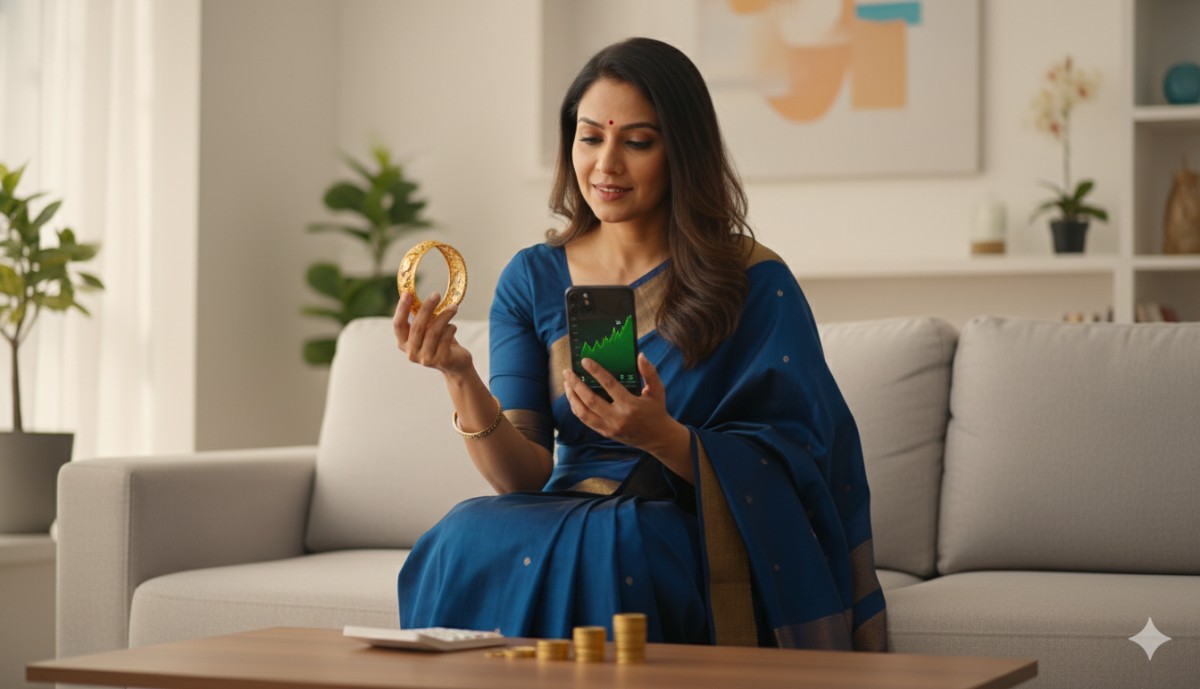
It is the classic dilemma. On one side, your financial advisor (or your husband) tells you to buy Gold Coins or Bars. They make sense mathematically. They have near-zero making charges, they are pure, and they give you the best Return on Investment (ROI). But on the other side… they are boring! You can’t wear a gold bar to a wedding. You can’t flaunt a digital gold certificate at a party.
Here is the good news: You don’t have to choose between being smart with money and looking fabulous. You can have both.
There is a specific category of jewelry that I call “Investment-Grade Wearables.” These are pieces designed to hold maximum value while still serving as beautiful accessories. If you buy the right pieces, your jewelry box can essentially double as your savings account.
In this guide, I am going to show you exactly how to use Gold as Investment by choosing the best wearable pieces that minimize loss and maximize value.
Read more: Trending Gold Jewellery for Wedding
The 3 Rules of “Investment” Jewellery
Before we get to the shopping list, we need to set some ground rules. If you break these, you aren’t investing; you are just spending.
Rule #1: Purity is King (Stick to 22k)
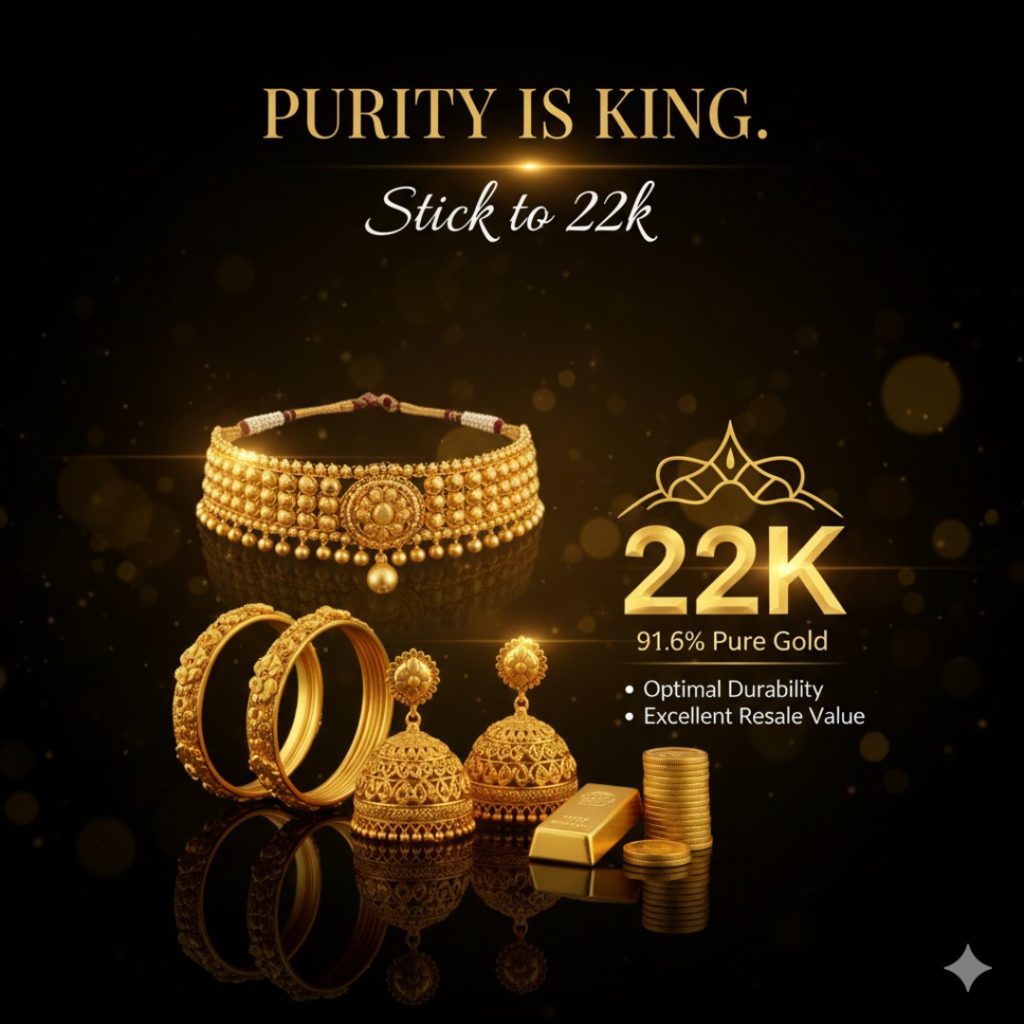
For investment purposes, 22k (916 purity) is non-negotiable.
- 24k is too soft for jewelry.
- 18k contains only 75% gold. When you go to sell it, you lose 25% of the weight value immediately because the alloy metals (copper/silver) fetch you nothing.
- 22k is the perfect balance: 91.6% pure gold, durable enough to wear, and accepted by every jeweler in India for exchange.
Rule #2: Say No to Stones
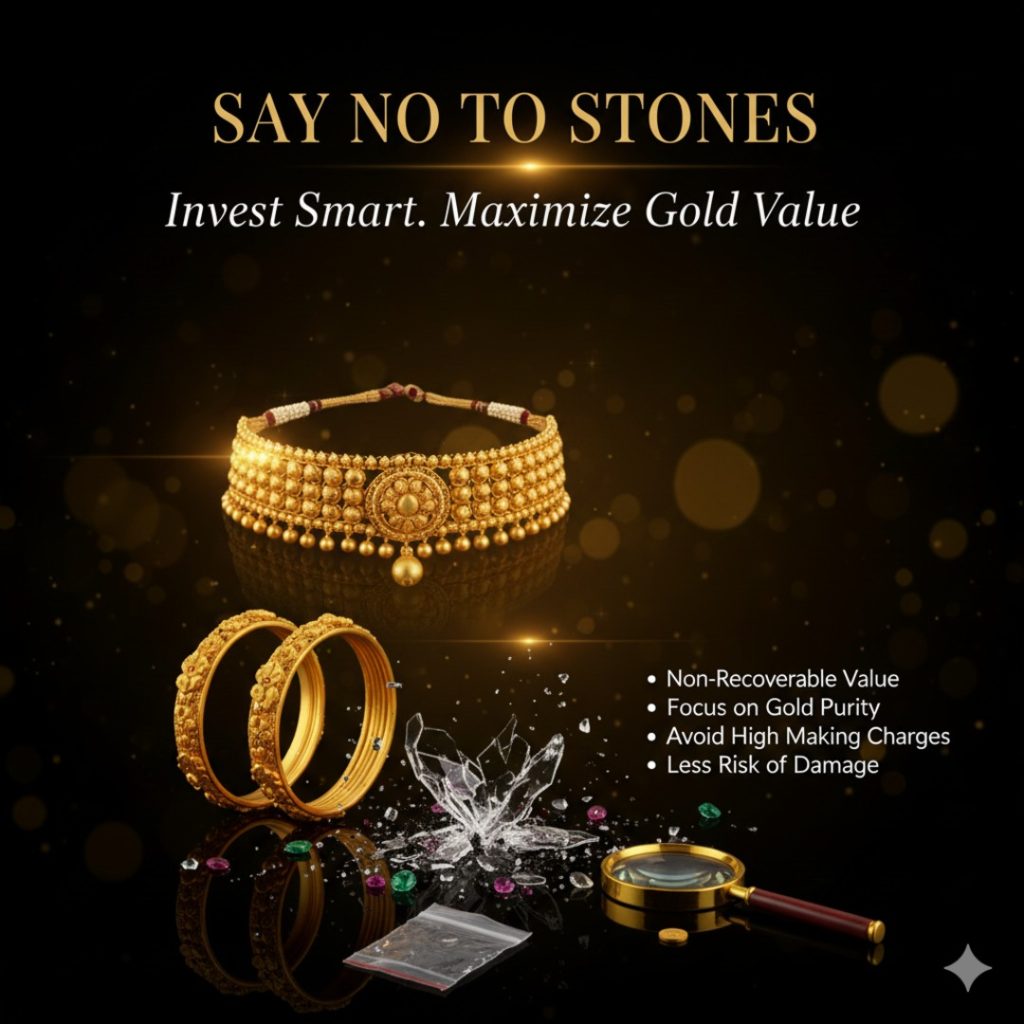
I love diamonds and rubies, but they are terrible for Gold as Investment. When you buy studded jewelry, you pay a premium for the stones. When you sell, the jeweler rips the stones out and pays you only for the gold. Unless they are high-grade certified solitaire diamonds, assume the stone value is zero at resale.The Strategy: Buy Plain Gold.
Pro Tip:
The “Buy-Back” Guarantee Before you swipe your card, ask the jeweler: “What is your buy-back policy?” A good jeweler will offer 100% buy-back on gold value at current market rates. Some might even offer 90-100% exchange value on diamonds if you upgrade. If they hesitate or say “we deduct 10%,” walk away.
The Best Wearable Pieces to Buy Now
Okay, now that we know the rules, what should you actually buy? Here are the top winners for 2025.
1. Solid Gold Bangles (Kadas)
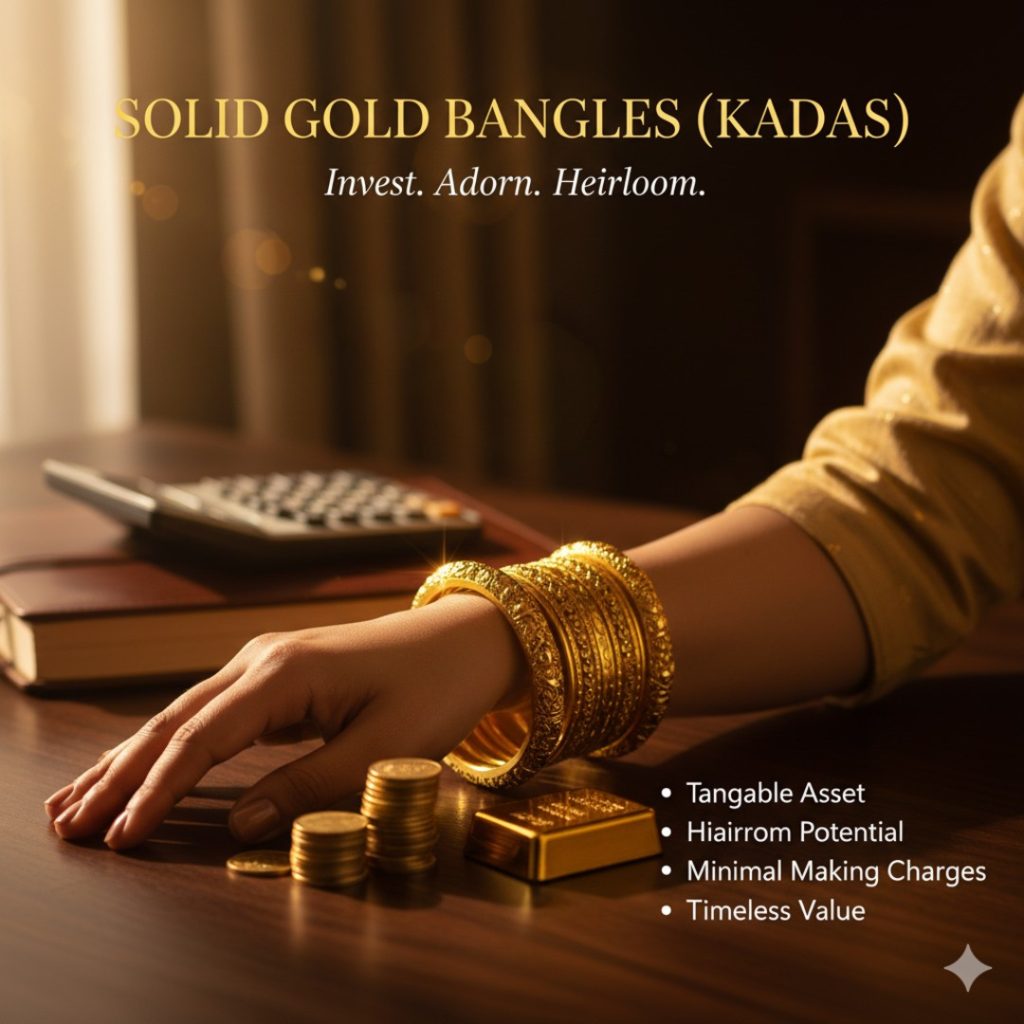
This is my #1 recommendation for any woman starting a gold portfolio.
- Why: Bangles are usually solid gold. They are heavy (meaning you store a lot of wealth in a small item) and durable.
- The Investment Angle: Because the shape is simple (round), making charges are usually very low (8% – 12%).
- What to avoid: Avoid “lac-filled” bangles. These are hollow tubes filled with wax. They dent easily, and when you sell, the jeweler will melt the wax out, and you will be shocked at how little gold is actually there. Always ask for Solid (Thos) Gold.
2. The “Gold Coin” Pendant
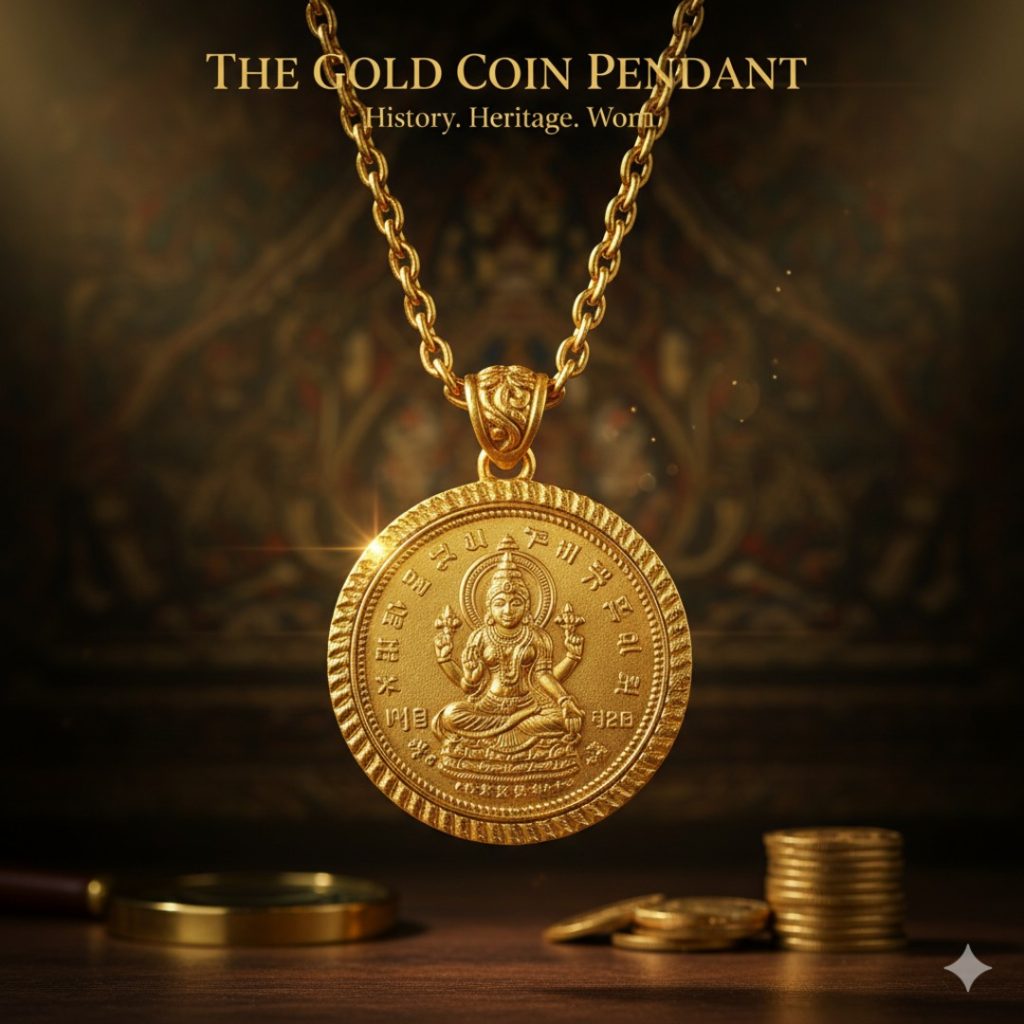
This is a brilliant hack for smart investors.
- The Strategy: Buy a pure 24k or 22k gold coin (5g, 8g, or 10g). Coins have the lowest making charges in the market (often 2-4%).
- The Wearable Part: Buy a simple, lightweight gold frame (bezel) to hold the coin. Now, slip it onto a chain.
- Result: You are wearing a pendant that is 90% pure investment gold. If you ever need cash, you can pop the coin out and sell it for maximum profit, while keeping the frame.
3. Machine-Made Gold Chains
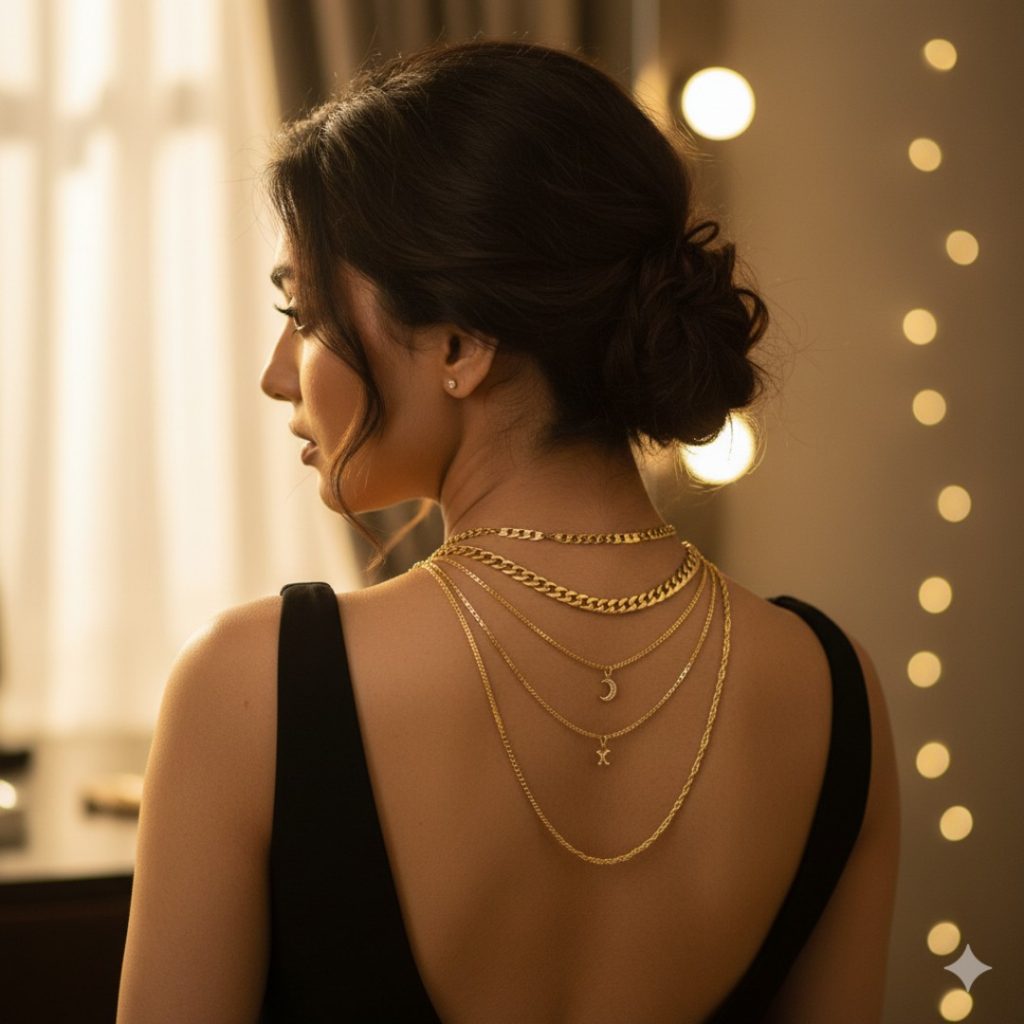
Chains are “liquid cash.” You can sell them anywhere, anytime.
- The Design: Look for designs like “Fox Tail,” “Box Chain,” or “Snake Chain.” These are machine-made, which means consistency in purity and very low labor costs.
- Weight: Aim for 15g to 25g. This is substantial enough to not break easily but light enough to wear daily.
- Warning: Avoid extremely delicate, hollow chains. They snap easily, and repairing gold reduces its purity (due to solder).
4. Plain Gold Bands (Rings)

Intricate rings get damaged. A solid, plain gold band is forever.
- Why: It is dense and heavy for its size. Men can wear them too.
- The Investment: It’s a great way to park small amounts of money (3g – 6g). If you have a bonus of ₹30,000, a gold band is a perfect mini-investment.
The Trap of “Antique” Jewellery
Let’s address the elephant in the room. We all love those reddish, antique-finish Temple sets. They look royal. But are they a Smart Gold Investment? Usually, no.
- The Issue: The “antique” look is created by polishing and oxidizing the gold. These pieces are often hand-crafted, pushing making charges up to 25% or even 30%.
- The “Wastage” Charge: Jewelers often charge high “wastage” on these because they claim gold is lost during the intricate carving.
- Verdict: Buy antique jewelry for love and tradition, not for investment. If you want ROI, stick to shiny, yellow, machine-cut gold.
When to Buy: The “Dip” Strategy
You wouldn’t buy a stock when it’s at an all-time high, right? The same applies to gold. Most people run to the jewelry store on Dhanteras or Akshaya Tritiya.
- Mistake: Demand is highest on these days, so prices are often premium, and discounts are fake.
- Smart Move: Watch the market. Gold prices fluctuate based on the US Dollar and global wars. When you see a sudden drop in gold rates (check apps like ‘Gold Price India’), that is your buying signal. Even a drop of ₹200 per gram saves you ₹2,000 on a 10g coin.
Digital Gold vs. Physical Jewellery
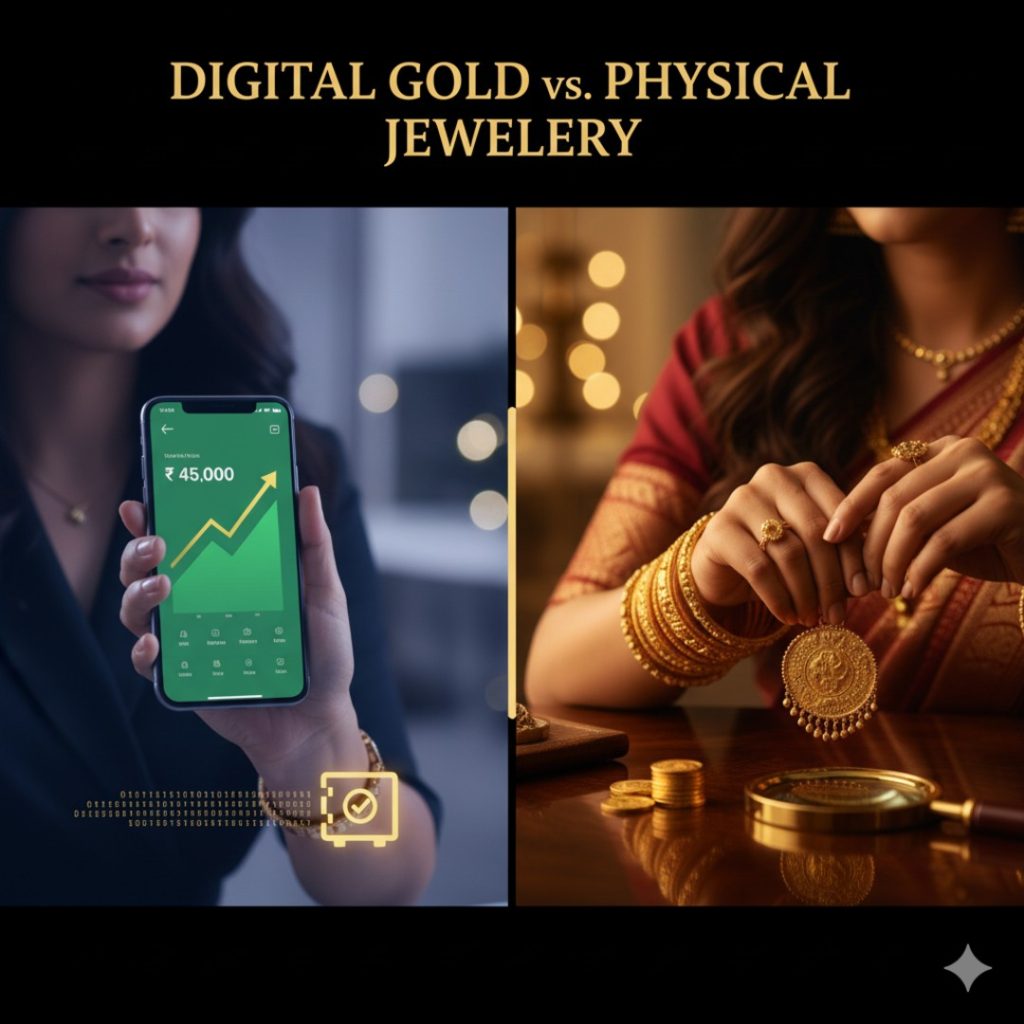
I get asked this a lot: “Why not just buy Sovereign Gold Bonds (SGB) or Digital Gold?” If you want pure returns, SGB is actually better. It pays you 2.5% interest per year and has no making charges.But… SGB is paper. You can’t wear it. You can’t touch it. And it has a lock-in period of 8 years. Physical jewelry is for the person who wants Liquidity + Utility. You can wear your wealth, enjoy it, and sell it tomorrow if a medical emergency strikes. That psychological comfort is something paper gold cannot give you.
Conclusion: Wear Your Wealth Wisely
Investing in gold jewelry doesn’t mean you have to compromise on style. It just means being a little more calculated.
Stop looking at jewelry as just “accessories.” Start looking at it as an asset class.
- Can I sell this easily?
- Am I paying too much for the labor?
- Is this 22k?
If you stick to Solid Bangles, Machine Chains, and Plain Gold, you are building a fortress of financial security that just happens to look beautiful on you.
So, the next time you walk into a showroom, walk past the diamond section. Head straight to the plain gold counter. That’s where the real investors shop.
I’d love to hear from you! Do you check the resale value before buying jewelry, or do you just buy what you love? Let me know in the comments below!
Frequently Asked Questions (FAQs)
Which type of jewelry has the highest resale value?
Plain Gold Bullion (Coins/Bars) has the highest resale value (near 100%). In terms of wearable jewelry, Plain 22k Gold Bangles and Chains are best because they have low making charges and no stones to deduct.
Is 22k gold better than 24k for investment?
For wearable investment, yes. You cannot make durable jewelry out of 24k gold because it is too soft and will deform. 22k allows you to wear your investment. If you only want to lock it in a safe, then 24k coins are better.
Do making charges (wastage) affect investment return?
Yes, significantly. Making charges are a one-time fee you pay to the jeweler that you never get back. If you pay 20% making charges, gold prices must rise by 20% just for you to break even. Always look for jewelry with making charges below 12% for investment.
Why should I avoid stone-studded jewelry for investment?
When you buy studded jewelry, you pay a high price for semi-precious stones and labor. When you sell, jewelers usually value the stones at zero and deduct their weight from the total gold weight. You lose money on both the stone cost and the stone weight.