Are you staring at a natural diamond price tag and feeling a bit of “wallet-shock”? You aren’t alone. I’ve spoken to so many couples lately who want that big, cinematic sparkle but don’t want to spend their entire house down payment on a single ring.
In 2026, best lab-grown diamond rings India searches have overtaken natural diamonds for the first time. Why? Because you get a stone that is chemically, physically, and optically identical to a mined diamond, but for about 60-80% less. It’s not a “fake”—it’s just a smarter way to buy luxury.
Top 5 Lab-Grown Diamond Brands in India (2026)
Based on my years in the industry, these are the brands currently leading the market in terms of trust, certification, and design:
1. Limelight Diamonds (The Pioneer)
One of the first to go “purely lab-grown” in India. They are famous for their high-end bridal sets and grand solitaire designs.
- Best For: Luxury bridal jewelry.
- Price Range: Starting from ₹30,000.
2. Emori (The Modern Favorite)
If you are looking for that “Pinterest-perfect” ring, Emori is the name I hear most often. Their designs are sleek, minimalist, and very 2026.
- Best For: Engagement rings and everyday minimalist chic.
- Price Range: Starting from ₹20,000.
3. Fiona Diamonds (The Tech-First Brand)
Fiona has been around for a long time and is highly trusted. They offer a massive range of “New Age Diamonds” and have a strong retail presence in cities like Mumbai and Delhi.
- Best For: Vintage-inspired designs and custom settings.
4. GIVA (Accessible Luxury)
Known for their silver jewelry, GIVA’s lab-grown diamond line is perfect for first-time buyers or for gifting.
- Best For: Budget-friendly solitaires and young investors.
- Price Range: Starting as low as ₹12,000.
5. House of Quadri (The Art-House Choice)
For those who want something unconventional and bold. Their craftsmanship is top-tier, and they focus on high-clarity Type IIa diamonds.
- Best For: Bespoke, one-of-a-kind statement rings.
2026 Trends: What’s “In” vs. What’s “Out”
If you are buying a ring this year, here is what the trend cycle looks like:
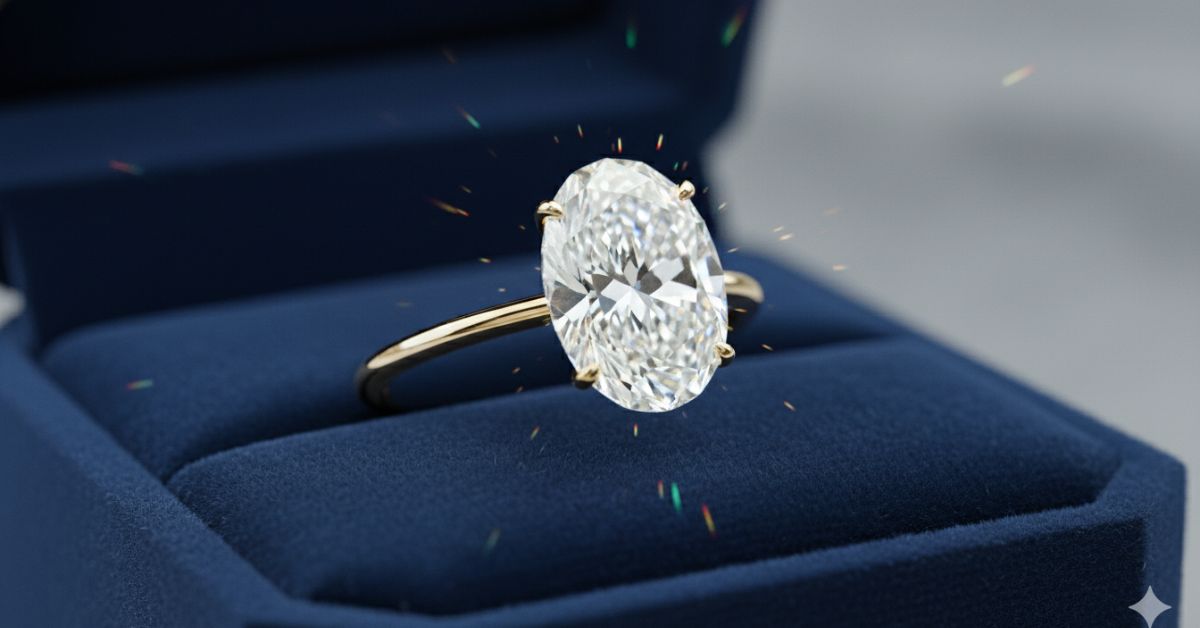
- IN: Oval & Emerald Cuts. These shapes elongate the finger and actually look larger than a round diamond of the same carat weight.
- IN: Hidden Halos. A tiny circle of diamonds hidden under the center stone. It’s like a secret sparkle only you know about.
- IN: Yellow Gold Settings. The warm, vintage glow of yellow gold is officially back, replacing the cool platinum look of the last decade.
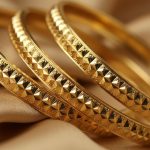
- OUT: Heavy Halo Settings. The “flower” look is fading. People now prefer clean, geometric gold bangles or solitaires that let the main diamond breathe.
The “4Cs” of Lab-Grown Diamonds
Buying a lab-grown diamond is exactly like buying a natural one. You must look at:
- Cut: This is the most important. A “Triple Excellent” cut will sparkle more than a bigger diamond with a poor cut.
- Clarity: Look for VVS1 or VVS2. Because they are grown in a lab, you can get “eye-clean” diamonds easily.
- Color: Aim for D, E, or F (Colorless).
- Carat: This is where you win. In 2026, a 2-carat lab diamond in India costs roughly ₹1.2L to ₹1.5L, whereas a natural one could cost ₹5L+.
Pro Tip: Look for the Certificate!
Just because it’s lab-grown doesn’t mean it’s uncertified. Always demand an IGI or GIA certificate. This ensures the stone’s quality is verified and protects your resale/exchange value in the future.
Conclusion
The best lab-grown diamond rings India offers in 2026 are pieces that reflect your values—sustainability, transparency, and financial wisdom. You are getting the exact same “fire” and “brilliance” without the environmental guilt or the inflated price.
Are you considering a lab-grown diamond for your engagement? Or do you still prefer the “mystery” of a mined stone? Let’s discuss in the comments!
FAQs
1. Do lab-grown diamonds have any resale value in India?
Yes. Most major brands like Limelight and Emori offer 80-90% buyback and 100% exchange on their lab-grown jewelry, similar to natural diamonds.
2. Can a jeweler tell the difference between lab and natural?
Not with the naked eye or a standard loupe. They need a specialized machine that detects nitrogen levels. Chemically, they are the same.
3. Is 14k or 18k gold better for a diamond ring?
I always recommend 18k gold. It has enough gold content to look rich but is strong enough to hold your diamond securely for a lifetime.