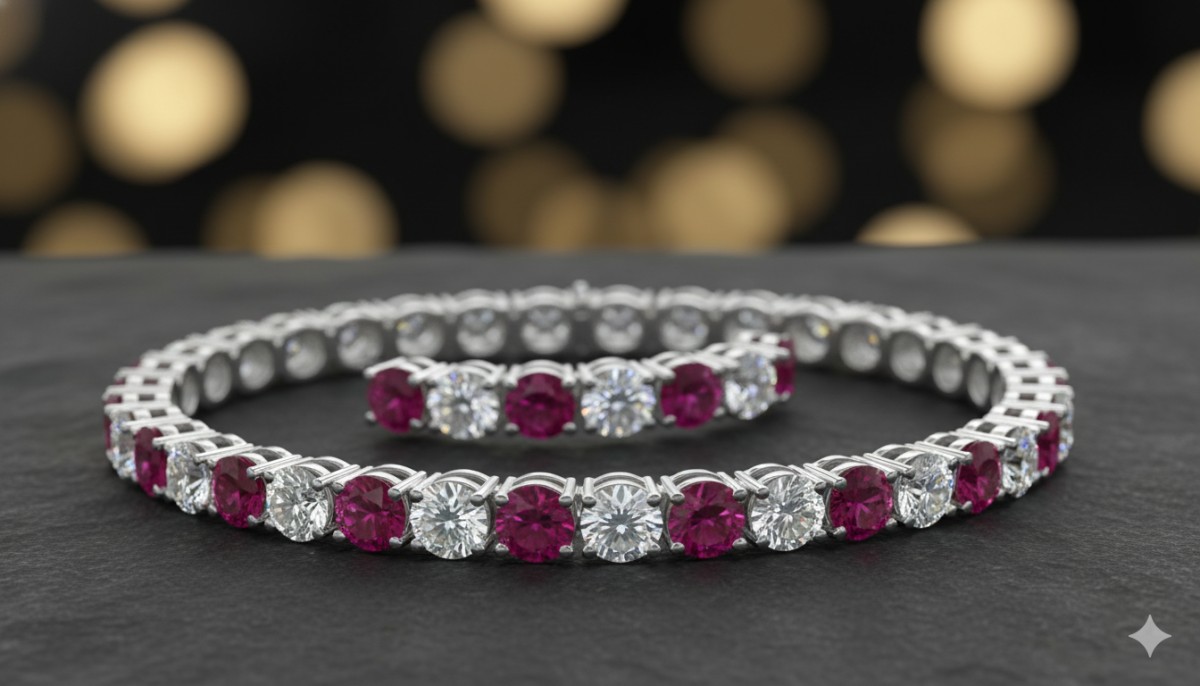
The combination of the vibrant, fiery red of the ruby and the cool, perpetual brilliance of the diamond represents one of the most powerful and enduring pairings in haute joaillerie. A Diamond and Ruby Bracelet is the definitive statement piece, instantly synonymous with royalty, passion, and the coveted glamour of the red carpet. This duality—the passion of the ruby symbolizing the heart, and the diamond representing eternity—makes the bracelet a deeply symbolic and visually spectacular accessory.
In 2025, red carpet trends show a strong shift towards individuality and color, cementing the Diamond and Ruby bracelet’s status as the ultimate accessory for high-stakes formal events. This comprehensive guide explores the rich symbolism, the trending designs, the crucial technical settings, and the styling strategies needed to master this legendary jewelry look.
Read more: Purple Gold necklace
1. The Power of the Pairing: Symbolism and Aesthetic Contrast
The enduring appeal of the Diamond and Ruby bracelet lies in the profound symbolic meaning carried by the two stones and their complementary aesthetic effect on the wrist.
A. The Symbolism of Passion and Eternity
- Ruby (Passion and Courage): Historically known as the “king of precious stones,” the ruby’s deep crimson hue is universally associated with love, passion, courage, and vitality. It was worn by royalty as a talisman of protection and prosperity.
- Diamond (Eternity and Purity): The diamond symbolizes purity, perfection, and the unbreakable bond of eternity.
- The Union: When paired, the stones represent eternal passion and devotion, making the bracelet a perfect gift for significant anniversaries (like the 15th and 40th) and lifetime commitments.
B. Aesthetic Synergy
The contrast between the stones is visually spectacular. The cool, white light refracted by the diamond intensifies the warm, saturated red color of the ruby, causing the ruby to appear richer and deeper. This fire-and-ice contrast ensures the bracelet commands attention whether worn solo or stacked.
2. Trending Designs for the 2025 Red Carpet
Modern high-jewelry trends favor structured designs and layering, allowing the dramatic color combination to take center stage.
A. The Classic Alternating Tennis Bracelet
The most popular and timeless design features a continuous, flexible line of round or oval-cut diamonds and rubies set alternately.
- Look: Sleek, understated elegance that is perfect for day-to-night wear. The repeating pattern emphasizes the graphic power of the red and white contrast.
- Setting: Often uses the four-prong setting to maximize the light exposure and brilliance of both stones.
B. The Pavé Ruby Cuff Bracelet
This bold, contemporary style features a wide, rigid bangle or cuff design, often in 18K white gold or platinum.
- Design: The gold surface is entirely pavé-set with tiny white diamonds, with one central structural element—a large, prominent cabochon-cut ruby or a geometric ruby inlay—providing the intense color focus.
- Statement: Ideal for making a single, unforgettable statement piece on the wrist, reflecting confidence and modern glamour.
C. Art Deco Geometric Link Bracelets
Inspired by the clean lines and symmetry of the 1920s, these designs utilize geometric shapes.
- Design: Rectangular or square links of gold are set with rubies and bordered by small baguette-cut diamonds. The stones are often channel-set for a flush, streamlined look.
- Aesthetic: Sharp, structured, and sophisticated, pairing exceptionally well with tailored gowns or tuxedos.
D. Nature-Inspired Cluster Bracelets
As seen in high jewelry collections, these designs replace linear arrangements with organic shapes.
- Design: Features clusters of round rubies and diamonds arranged like petals or leaves, often using the Winston Cluster technique to minimize visible metal and maximize sparkle and volume.
- Color: The cluster arrangement allows for mixed shapes (pear, marquise, round) to create a soft, feminine look while retaining the intense color of the rubies.
3. Technical Integrity: Choosing the Right Setting
The extreme hardness of the diamond (10 on the Mohs scale) and the near-equal hardness of the ruby (9 on the Mohs scale) allow for versatile settings, but durability is key for bracelets which endure more knocks than necklaces.
A. Prong Setting (Maximum Sparkle)
The most common setting for tennis bracelets. Prongs expose the maximum surface area of both the ruby and diamond to light, allowing for exceptional fire and brilliance. Requires frequent professional checking due to its openness.
B. Channel Setting (Ultimate Security)
The preferred setting for daily wear or active individuals. The stones are set tightly between two parallel walls of metal, creating a smooth surface that is snag-free and provides excellent protection against lateral knocks.
C. Bezel Setting (Best Protection)
Ideal for protecting the fragile edges of the ruby. The metal completely encircles the stone, securing it and giving the bracelet a modern, clean appearance. This is the most secure setting.
4. Metal Choice and Investment Value
The gold alloy used (white, yellow, or platinum) dramatically alters the bracelet’s final aesthetic.
A. Yellow Gold (The Classic Warmth)
Yellow gold (18K) provides a warm, vintage backdrop, intensifying the deep red color of the ruby and creating a traditional, classic contrast. This remains the preferred choice for South Asian and classic European aesthetics.
B. White Gold and Platinum (Modern Contrast)
White gold or platinum offers a sleek, contemporary look. The white metal enhances the diamonds’ colorless appearance while providing a stark, dramatic contrast to the ruby’s intense red, making the ruby look even more striking.
C. Investment Value
A Diamond and Ruby bracelet is a significant investment. Its value is driven by the Carat Weight (CTW) of the genuine, natural, heat-treated rubies and the quality (4Cs: Cut, Color, Clarity, Carat) of the diamonds. Always insist on certification (GIA, IGI) for both stones.
5. Styling Guide: Red Carpet Grandeur on the Wrist
A Diamond and Ruby bracelet should be styled to enhance its color and structural beauty, whether worn solo or stacked.
A. Solo Statement
For the ultimate red carpet look, wear a chunky or wide Pavé Ruby Cuff solo on the wrist. This allows the piece to be the single, powerful color focus, particularly when paired with a monochrome gown (black, white, or navy).
B. Stacking Strategy (The Modern Trend)
Current trends encourage stacking. Pair the Diamond and Ruby bracelet with:
- A Simple Diamond Tennis Bracelet: This creates a ‘double sparkle’ effect, balancing the color of the ruby with the continuous white brilliance of the diamonds.
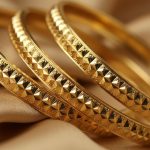
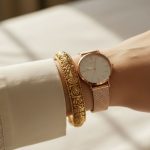
- Plain Gold Bangles: Stack with a simple 18K yellow or rose gold bangle to introduce texture and structure, grounding the gemstone piece.
C. Coordination with Attire
The fiery nature of the ruby makes it a perfect complement to jewel-toned gowns (emerald green, sapphire blue) or neutral silk fabrics. Avoid busy patterns that would compete with the dense color and sparkle of the bracelet.
Conclusion
The Diamond and Ruby Bracelet is a spectacular fusion of passion and permanence. Whether chosen for its classic alternating tennis style, its modern geometric setting, or its powerful symbolism, this bracelet is the definitive ultimate luxury accessory. By ensuring high-quality gold, secure settings, and certified stones, this fiery, unforgettable piece is destined to shine under the brightest lights, from formal dinners to the global red carpet.
Frequently Asked Questions (FAQs)
Which setting is most secure for a Diamond and Ruby bracelet for daily wear?
The Channel setting or Bezel setting is the most secure for daily wear. These settings fully protect the stones from friction and accidental knocks, preventing the stones from snagging or falling out.
Should the metal color match the stone color?
No. Contrast is key. Yellow gold is often used because its warmth enhances the red hue of the ruby. For diamonds, white gold or platinum is used to enhance the brilliance and colorless appearance.
Are synthetic rubies used in these bracelets?
n high-end jewelry, natural rubies (often heat-treated to enhance color) are used. However, high-quality, high-clarity lab-grown rubies are increasingly popular, offering the same chemical and physical properties as natural gems at a more accessible price point.
How do I clean a Diamond and Ruby bracelet safely?
Clean the bracelet regularly using mild soap and lukewarm water and a very soft toothbrush. Since both stones are very hard, they can withstand gentle cleaning, but avoid harsh chemicals like chlorine, which can damage the gold alloy.