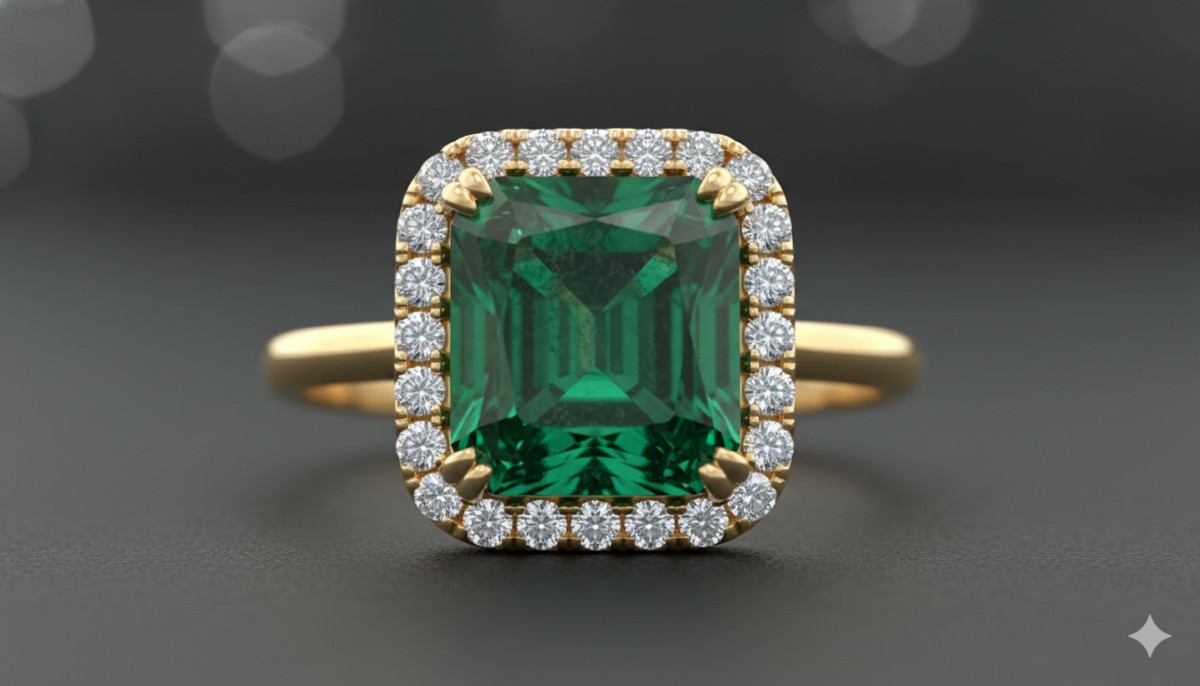
The true artistry of fine jewelry is realized when the rich, malleable warmth of gold meets the vibrant, eternal fire of colored gemstones. The combination of Gold with Gemstones creates a visual synergy that is unmatched, producing pieces that are not only high-value investments but also powerful statements of color and personality. Whether it’s the deep crimson of a ruby against 22K yellow gold or the crisp clarity of a sapphire in 18K white gold, this pairing represents the pinnacle of luxury, tradition, and aesthetic impact.
This comprehensive guide explores the compelling reasons why this pairing dominates bridal and high-fashion jewelry in 2025, detailing the symbolism, the crucial craftsmanship techniques, and the best ways to style these colorful masterpieces.
Read more: “Yeh Rishta Kya Kehlata Hai” Inspired Gold Jewellery
1. The Synergy of Color and Warmth
The aesthetic power of gold with gemstones lies in the magnificent contrast and mutual enhancement between the metal and the stone.
A. Enhancing Vibrancy
Warm yellow gold acts as the perfect, opulent backdrop for vibrant gems. The contrast between the cool tones (like a green emerald or a blue sapphire) and the warm gold makes the gemstone’s color appear deeper, richer, and more saturated. This phenomenon creates a visual ‘pop’ that immediately draws the eye.
B. Timelessness
While the style of a piece may change, the combination of natural gold and natural gemstones never falls out of fashion. This pairing is instantly associated with generational heirlooms and classical royalty, ensuring your investment remains timeless.
C. The Visual Hierarchy
Gold settings, whether sleek or intricate, provide the necessary structure to frame and protect the stone, establishing the gem as the clear focal point of the jewelry piece.
2. The Power of the Big Three: Symbolism in Gold Settings
Three gemstones—Ruby, Emerald, and Sapphire—traditionally dominate gold jewelry due to their profound symbolic meanings.
| Gemstone | Color | Meaning and Association | Ideal Gold Purity |
| Ruby | Red/Crimson | Passion, Love, Power, Sun | 22K Yellow Gold (Enhances warmth) |
| Emerald | Green | Prosperity, Growth, Wisdom, Nature | 18K Yellow Gold (Provides clean contrast) |
| Sapphire | Blue | Royalty, Wisdom, Fidelity, Heaven | White Gold/18K Gold (Enhances cool tone) |
3. Traditional Craftsmanship: The Aesthetic of Heritage
In India, gold and gemstones are united through centuries-old techniques that maximize color and historical appeal.
A. Kundan and Polki Work
This technique, famous in Rajasthani and Mughal jewelry, uses highly refined gold foil (Kundan) to set uncut diamonds (Polki) or colored glass/stones. The gold foil is pushed around the stone, creating a strong seal.
- Result: A stunning, antique look that is deliberately rough yet opulent, often finished with Meenakari (enamel work) on the reverse side for a splash of color.
B. Temple Jewellery and Kemp Stones
Predominantly found in South Indian gold, this style features motifs of deities (Lakshmi, Ganesha). The gold is given a matte/antique finish, and the stones are cabochon-cut Rubies and Emeralds (Kemp stones), which lend the jewelry its distinctive rich, historical color palette.
C. Meenakari Enamelling
While not a stone, Meenakari (fused colored glass) is used extensively to complement gemstones. For instance, a ruby-studded necklace might feature surrounding Meenakari in emerald green, creating a harmonious and elaborate color composition.
4. Modern Setting Techniques: Maximum Brilliance and Safety
Modern jewelry focuses on structural safety and maximizing the light entering the stone for high brilliance.
A. Halo and Pavé Settings
- Halo: A central colored gemstone (e.g., a sapphire) is encircled by a “halo” of small diamonds or CZ stones. This technique visually enlarges the primary gemstone and dramatically amplifies its brilliance.
- Pavé: Tiny diamonds or CZ stones are closely set along the surface of the gold, making the metal surface appear completely paved with sparkle, often used to accent the main colored stone.
B. Bezel and Channel Settings
These are ideal for durability and daily wear.
- Bezel: The gold completely encircles the colored gemstone, holding it securely and protecting the edges from chipping. This provides a sleek, modern look.
- Channel: Gemstones are set side-by-side in a groove or ‘channel’ within the gold band, creating a continuous, smooth surface often used for wedding bands or bracelet accents.
5. Gold Purity and Durability: The Technical Choice
The durability of the setting often determines the purity of the gold used.
- 18K Gold (75% Purity): This is the most recommended purity for gemstone settings. Its higher alloy content makes the gold harder than 22K, providing superior strength to securely hold the prongs or bezel around precious stones, preventing loosening or loss.
- 22K Gold (91.6% Purity): Preferred for traditional pieces like Temple jewellery where the stones are cabochon (domed, not faceted) or held by Kundan work, as its rich color is crucial to the aesthetic.
6. Styling Guide: Bringing Color to Life
Wearing Gold with Gemstones requires a thoughtful approach to color coordination to maximize visual impact.
A. Neutral Base
When wearing a statement ruby or sapphire necklace, pair it with neutral outfits (black, white, beige, or grey). This allows the vibrant color of the gemstone to be the true focal point of the entire ensemble.
B. Contrasting Silks
For traditional wear, pair green Emerald jewelry with deep red or maroon silks (a classic Indian contrast). Alternatively, pair Sapphire jewelry with bright yellow or light gold silks for a majestic, modern look.
C. Layering Colored Accents
If layering necklaces, wear the gemstone piece as the shortest or central focus piece. Complement it with long, simple gold chains or plain pearl strands to balance the volume and prevent the colors from clashing.
Conclusion
The marriage of Gold with Gemstones stands as the highest expression of jewelry art. By selecting a piece that harnesses the brilliance of colored stones through secure settings and complementing them with the enduring warmth of 18K or 22K gold, you are investing in a colorful, visually spectacular accessory that will remain a centerpiece of your collection for generations.
Frequently Asked Questions (FAQs)
Which gemstones are considered lucky when set in gold?
Rubies (power), Emeralds (prosperity/wisdom), and Sapphires (fidelity) are universally considered lucky. Additionally, Garnets (commitment) and Peridot (protection) are popular choices for gold jewelry.
Does wearing a large colored gemstone require special care?
Yes. Avoid wearing rings with large colored stones while doing heavy housework or gardening, as sharp blows can chip the edges of the stone, especially if it is set with thin prongs. Clean regularly with mild soap and water.
Is it possible to mix gold colors (e.g., yellow and white gold) with gemstones?
Absolutely. Dual-tone gold is trending. For example, setting an emerald in white gold (to make the green pop) while using yellow gold for the chain or band creates a sophisticated, modern contrast.
Why is 18K gold safer than 22K for rings with large gemstones?
18K gold is harder than 22K gold. This extra hardness is essential to prevent the delicate gold prongs that hold the gemstone in place from bending or wearing away quickly, which could lead to the loss of the valuable stone.