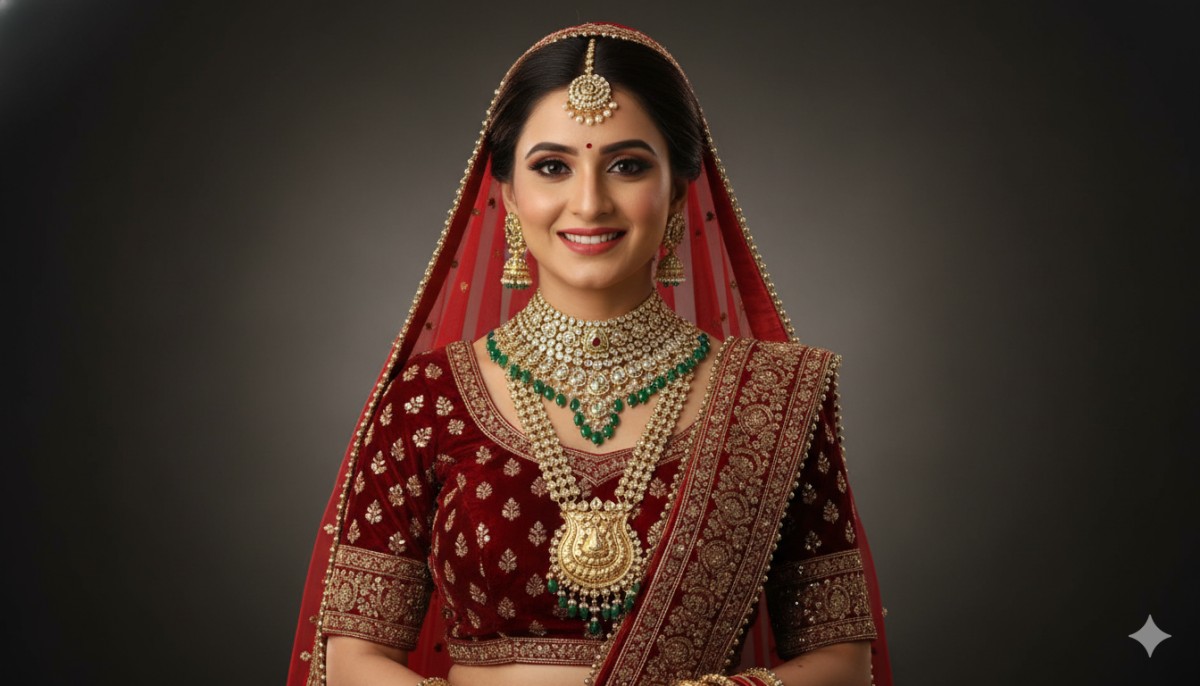
Few television shows have influenced Indian wedding and festive fashion as profoundly as the enduring saga of “Yeh Rishta Kya Kehlata Hai” (YRKKH). Spanning over a decade and multiple generations of protagonists (from Akshara to Naira and beyond), the show has consistently dictated trends in traditional wear, particularly in gold jewelry. The hallmark of the YRKKH look is its spectacular blend of rich, high-karat gold with the opulent, intricate aesthetics of Rajasthani and Rajputi royalty.
Wearing “Yeh Rishta Kya Kehlata Hai” Inspired Gold Jewellery Designs is a shortcut to achieving a look that is grand, traditional, and instantly recognizable as the pinnacle of cultural elegance. This comprehensive guide explores the iconic pieces, the unique styling principles, and the craftsmanship that define this influential television-driven trend.
Read more: Meenakari gold jewellery
1. The Trend Phenomenon: Why YRKKH Jewelry Sets the Standard
The jewelry featured in YRKKH holds significant sway over the Indian market due to several key factors:
A. Consistency in Traditional Values
The show’s setting (a wealthy, traditional Marwari family) demands that the jewelry be heavy, ornate, and of high purity. This visual consistency reinforces the value of 22K traditional gold over lighter, fashion-forward pieces.
B. High Visibility and Clarity
Every wedding sequence and festive celebration is meticulously styled, ensuring the jewelry is clearly visible. This perfect presentation provides consumers with ready-made styling ideas, making it easier for local jewelers to replicate the complex bridal sets.
C. The Fusion of Heritage
The jewelry successfully fuses traditional Rajasthani styles (Kundan, Polki, Aad necklaces) with classic North Indian bridal layering, resulting in a look that appeals to a wide national audience.
2. The Royal Aesthetic: Decoding the YRKKH Look
The YRKKH jewelry aesthetic is defined by its focus on structural elegance, opulence, and layered volume.
A. The Primacy of Kundan and Polki
The overwhelming choice for the show’s centerpiece jewelry is Kundan (glass foil work) and Polki (uncut diamonds). These techniques lend an undeniable antique, royal finish that is essential for the Rajputi heritage look.
B. High Karat Gold Base
The base metal for the prominent necklaces and earrings is almost always high-purity 22K gold. This ensures the deep yellow shine and the necessary malleability for the heavy, intricate Nakshi (carving) work and detailing typical of heirloom pieces.
C. Color Palettes
Jewelry is typically accented with ruby red and emerald green stones, contrasting beautifully with the high-shine gold and coordinating with the vibrant bridal lehengas.
3. Top Trending YRKKH-Inspired Gold Jewellery Designs
These are the indispensable pieces required to recreate the signature grand look seen on protagonists like Naira and Akshara:
1. The Aad Necklace (The Signature Piece)
- Design: The Aad is a rigid, broad, high-neck choker with a distinctive rectangular or square frontal plate. The space between the collarbone and the choker is often filled with pearl drops or delicate filigree.
- Role: This is the non-negotiable cornerstone of the Rajputi bridal look, symbolizing steadfastness and royalty.
2. The Borla (Rajasthani Maang Tikka)
- Design: Unlike a flat Maang Tikka, the Borla is a spherical, bell-shaped head ornament, often featuring elaborate Kundan work and small pearl drops.
- Role: It is worn centrally on the forehead, adding a three-dimensional, distinctly Rajasthani royal touch to the bridal hair setting.
3. Heavy Kundan Chokers and Collar Sets
- Design: Broad, flexible chokers that sit flush against the collarbone, completely paved with intricate Kundan work and finished with a fringe of pearls or colored gemstone drops (often in green beads).
- Styling: Worn as the innermost layer, providing a solid, opulent base for all subsequent necklaces.
4. Layered Gold Harams (The Rani Haar Effect)
- Design: Multiple, extremely long gold necklaces (often 30 to 40 inches) that may feature repeating motifs, coin chains (Kasu Mala fusion), or multiple strings of pearls.
- Role: Provides the necessary volume and grandeur, cascading down to the waist to balance the weight of the elaborate lehenga or saree.
5. Kundan-Meena Jhumkas
- Design: Large, heavy Jhumkas with a multi-tiered bell structure. The tops feature Kundan studs, and the inner dome is often detailed with vibrant Meenakari (enamel work) in ruby red or emerald green.
- Role: Adds movement, sound, and color to the overall set.
4. Purity, Craftsmanship, and Investment Value
The investment in YRKKH-style jewelry is justified by its high purity and detailed workmanship.
A. The 22K Purity Standard
The preference for 22K gold ensures the rich, antique yellow color and the highest intrinsic value. Due to the high weight, these sets represent significant generational investments.
B. Meticulous Handcraftsmanship
The precision required for setting Kundan stones and executing the delicate Nakshi (engraving) on the gold panels elevates the making charges, reflecting the artistry of Jaipur’s master Karigars (artisans).
C. Structural Integrity
Because the sets are designed to look heavy and layered, the underlying framework must be strong. Modern adaptations often use 18K gold for small connectors and hooks to ensure the structural integrity of the heavy components.
5. The Styling Guide: Mastering the Layered Look
Achieving the iconic YRKKH look requires careful layering to maximize volume without causing clutter.
A. Hierarchy of Necklaces
Start with the Kundan Choker (shortest). Next, add the Aad Necklace (medium length, rigid). Finish with one or two long Harams (Rani Haar effect). Ensure there is a gap between each layer for individual pieces to stand out.
B. Headpiece Placement
The Borla is typically worn with the central hair parting pulled straight back. The heavy weight of the Borla requires the use of small safety pins to anchor it securely to the hair and prevent slippage.
C. Outfit Coordination
The traditional Rajputi aesthetic often favors strong, contrasting colors (Red, Orange, Yellow, or Emerald Green). Match the secondary color stones (e.g., green beads) in the jewelry to the embroidery or secondary color of the outfit for a cohesive finish.
Conclusion
“Yeh Rishta Kya Kehlata Hai” Inspired Gold Jewellery Designs represent the ultimate fusion of cinematic glamour and deep cultural tradition. By embracing the architectural structure of the Aad, the intricate detail of Kundan work, and the rich color of 22K gold, you are not just wearing jewelry—you are wearing a piece of cultural history and making a magnificent, royal statement that defines the contemporary South Asian wedding aesthetic.
Frequently Asked Questions (FAQs)
Can I get the YRKKH look using high-quality artificial jewelry?
The visual impact comes from the design and layering. High-quality Polki or Kundan-style AD (American Diamond) jewelry set in copper or silver base metals with a deep antique gold polish can successfully replicate the look for costume wear or budget constraints.
Why is the Aad necklace so important in the YRKKH aesthetic?
The Aad is crucial because it is the signature piece of Rajputi jewelry. Its rigid, architectural structure instantly frames the face and identifies the style as authentic to the show’s traditional setting.
Which pieces should be prioritized for investment in this style?
Prioritize the Kundan Choker and the Aad Necklace in 22K gold. Due to their high weight and complex hand-setting, these pieces hold the highest intrinsic value and are true investments.
How do I comfortably wear such heavy Jhumkas and multiple necklaces?
Use Mattal (ear chains) with your Jhumkas to anchor the weight to your hair. For necklaces, ensure the inner choker is a comfort-fit design, and utilize long Harams that distribute the weight across your chest and shoulders, rather than concentrating it solely on the neck.