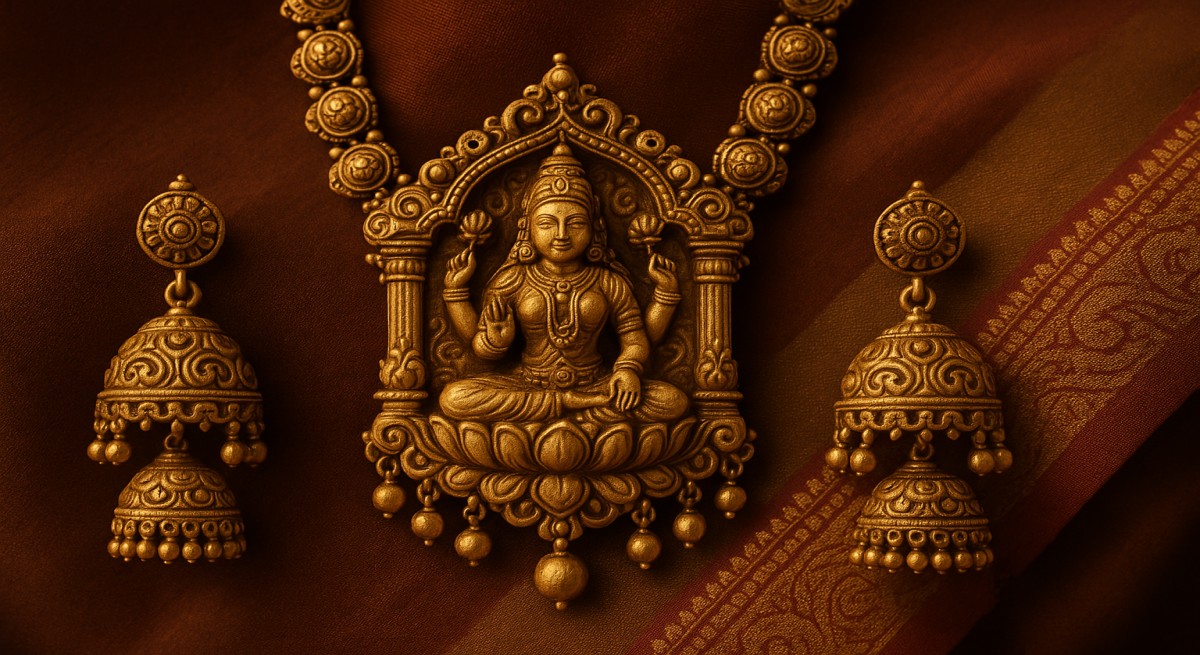
For centuries, Antique Temple Jewellery Designs were reserved for temple deities, classical dancers, and the most traditional of brides.1 Today, however, these magnificent pieces—adorned with Goddess Lakshmi motifs, intricate floral carvings, and deep red Kemp stones—have burst out of the vault and onto the global fashion stage.2
Why the sudden, massive resurgence? In 2025, the trend is shifting away from fleeting fashion toward timelessness, legacy, and identity.3 Women are no longer just wearing jewelry; they are wearing stories.
If you are wondering why this heritage style is dominating every major wedding and festive look, I’ve outlined the key reasons why Antique Temple Jewellery is the hottest trend right now.
5 Reasons Antique Temple Jewellery is the King of 2025 Trends
1. The Quest for Cultural Identity (The Meaning)
Modern buyers, especially Gen Z, are actively seeking pieces that connect them to their roots.4 Temple jewellery is not just ornamentation; it is a powerful symbol of heritage.5
- Motif Storytelling: Every piece tells a story.6 The Goddess Lakshmi motif represents prosperity and blessings, the Peacock symbolizes grace, and the Lotus signifies purity.7 Wearing these designs is a conscious decision to honour tradition.
- The Heirloom Appeal: Unlike mass-produced modern jewelry, antique pieces carry the emotional weight of legacy.8 Buyers are restoring family heirlooms or buying new pieces specifically designed to look like heirlooms that can be passed down.9
2. The Rise of “Quiet Luxury” and Artistry
In a world saturated with digital perfection, consumers value the human touch and craftsmanship of the past.10
Read more: Trending Gold Choker Necklace
- Unmatched Detailing: Antique temple jewellery uses specialized techniques like Repoussé (hammered relief work) and fine Nakshi (intricate carving).11 This level of detail cannot be replicated quickly by machines.
- Antique Gold Finish: The dull, matte, oxidized finish—the antique look—is highly preferred over bright, highly polished gold.12 This raw, vintage texture lends the piece a sophisticated, aged charm that whispers luxury rather than screaming it.
3. Versatility and Fusion Styling
The biggest change in 2025 is how the jewelry is worn. It’s no longer restricted to silk sarees.13
- Everyday Heritage: Influencers are pairing lightweight temple studs or single Kasu Mala chains with simple kurtas, blazers, and even jeans.14 It’s about turning tradition into everyday self-expression.15
- Bridal Layering: For brides, the traditional temple choker or the long Mango Mala (Manga Malai) is the foundational piece. It layers perfectly with modern diamond chokers or Polki sets, creating a harmonious blend of old and new.16
4. Smart Investment and Dual Value
Antique gold pieces are viewed as both luxury fashion and a wise financial hedge.17
- Artistic Worth: Unlike modern jewelry where the price is mainly metal value, antique pieces carry significant artistic and collector’s value.18 This means their value appreciates faster than plain gold, making them a “smart investment.”
- Ethical Sourcing: There is a growing demand for repurposed and restored vintage jewelry, which aligns with modern values of sustainability and conscious luxury.
5. Innovation in Weight and Design
Jewellers have responded to the trend by making the designs accessible for modern life.19
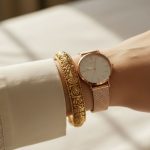
- Lightweight Variants: For office wear or small festivals, designers are creating lighter versions of temple motifs—small jhumkas or slim bangle designs—that retain the soul of the tradition without the heavy weight.20
- Gemstone Fusion: Contemporary temple jewelry often uses modern semi-precious stones (like turquoise or garnet) alongside traditional rubies (Kemp) and pearls, giving the pieces a youthful, vibrant flair.21
Conclusion
The resurgence of Antique Temple Jewellery Designs is more than just a passing style; it’s a cultural movement. It is a celebration of artistry, legacy, and personal identity.22 By choosing the raw, magnificent finish and profound symbolism of temple jewelry, you aren’t just wearing gold—you are making a powerful statement about connection, tradition, and timeless style.
Are you planning to wear a heavy Temple Haram or a lightweight Peacork Jhumka for your next event?
Frequently Asked Questions (FAQs)
What is the main difference between Antique finish and regular Gold Jewellery?
Antique finish jewellery is intentionally given a dull, matte, or oxidized look to make it appear old or vintage. Regular gold jewellery has a high-polish, shiny, bright finish. The antique look emphasizes the intricate carving (Nakshi) rather than the metal’s shine.
Is Temple Jewellery made of 22k gold?
Yes, most high-quality Temple Jewellery is crafted in 22k gold (916) due to its high value and deep yellow colour, which complements the traditional red and green stones (Kemp) used in these designs.
What is a ‘Kemp Stone’ often found in Temple Jewellery?
Kemp stones are highly popular in South Indian temple jewellery. They are usually synthetic rubies or emeralds that are cut specifically for this traditional jewellery style. They provide the necessary rich, deep colour contrast against the antique gold finish.
Can Temple Jewellery be worn daily?
The heavier chokers and Harams are reserved for weddings and festivals. However, many jewellers now offer lightweight Temple studs, rings, and simple pendants that are perfect for daily wear or small religious ceremonies, retaining the traditional motif without the bulk.