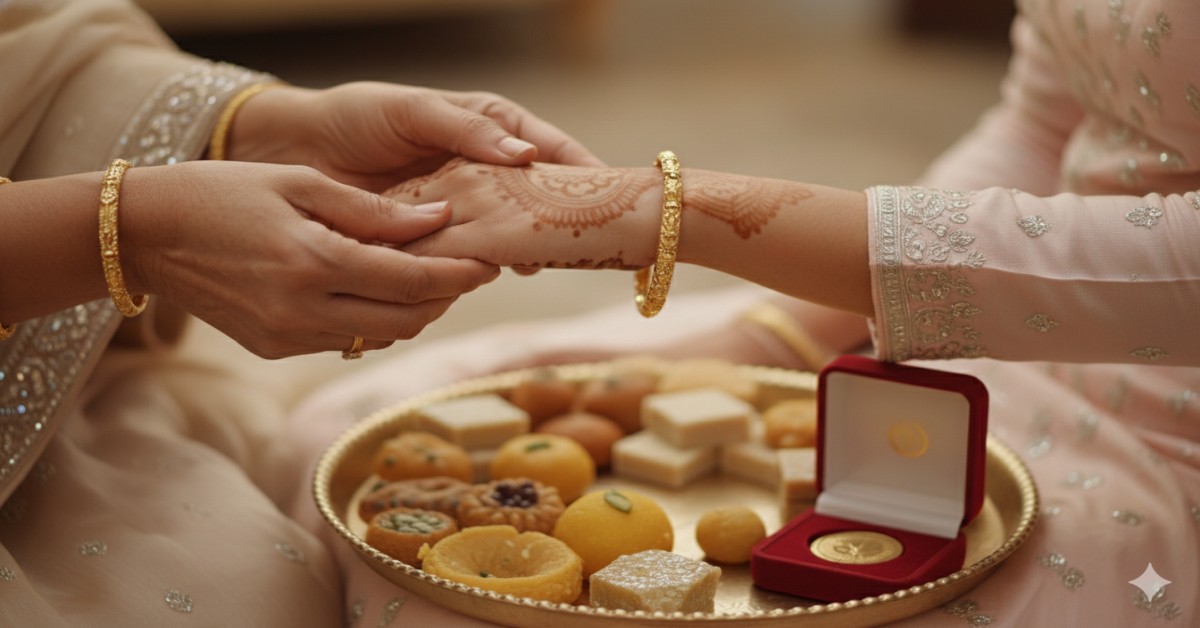
There is a specific kind of magic in the air when a “Rishta” gets finalized. The families agree, the sweets are distributed, and suddenly, you aren’t just dating anymore—you are “Roka-fied.”
The Roka (or Thaka/Nischayam) and the Engagement are the first official steps towards your wedding. It is the moment when the promise becomes real. And in Indian culture, no promise is sealed without Gold.
But here lies the confusion. You aren’t the bride yet. You don’t want to wear the heavy bridal necklace that weighs 200 grams. That is for the wedding day. For the Roka and Engagement, you need something different. You need jewelry that balances Cultural Tradition (because it’s a family function) with Modern Elegance (because you are probably wearing a gown or a light lehenga).
You need “Shagun” that looks stylish.
In this guide, I am going to walk you through the beautiful world of Cultural Gold Jewellery for Roka and Engagement. Whether you are the mother-in-law looking for the perfect blessing gift or the bride-to-be hunting for that dream ring, this is your ultimate handbook.
Read more: Contemporary Gold Jewellery
The Significance: Why Gold at the Roka?
In our culture, the Roka is known as the “stopping” ceremony. It signifies that the search for a partner has stopped; the match is fixed. To seal this, the mother-in-law traditionally gifts the bride-to-be a piece of gold. This isn’t just a gift; it is “Shagun” (an auspicious blessing). It represents acceptance into the new family.
- For the Roka: The jewelry is usually a token of love—a chain, a single bangle, or a gold coin (Ginny).
- For the Engagement: The focus shifts to the Ring, but often includes a stylish necklace set that matches the engagement gown or saree.
The challenge in 2025 is finding pieces that respect this deep tradition but don’t look like they were bought in 1990. Let’s explore the trending designs.
Regional Cultural Trends: What to Buy?
India is vast, and every region has a signature style for this pre-wedding phase. Here is how to shop based on your cultural background.
1. North India: The “Saggan” Essentials
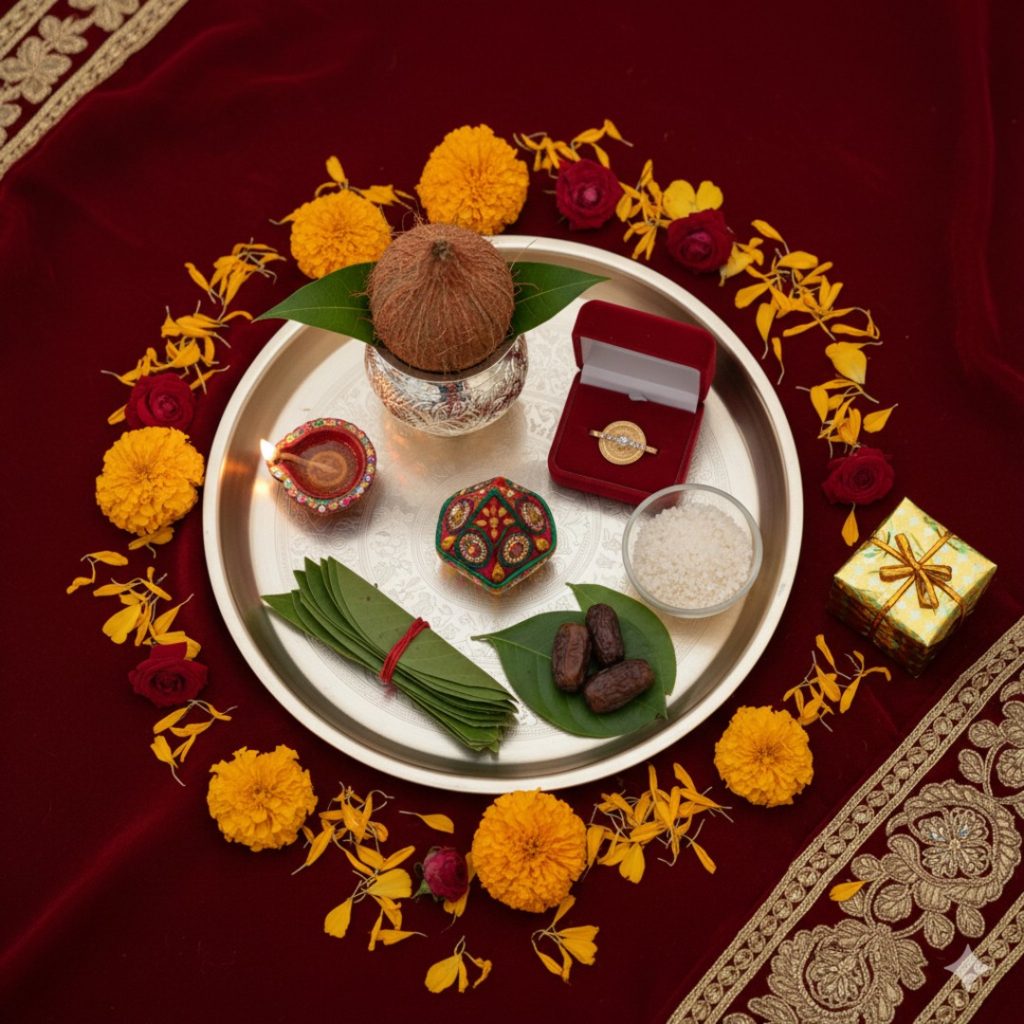
In Punjabi and North Indian families, the Roka is often a surprise or a small home affair, followed by a grand Engagement party.
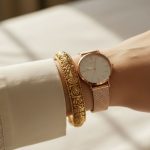
- The Roka Gift: A “Kara” (Single Bangle) or a Gold Chain Set.
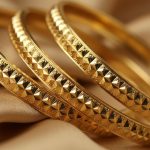
- Trend: Sleek, laser-cut gold bangles are replacing the old flat bangles. They look like bracelets but carry the weight of 22k gold.
- The Engagement Look: Since most North Indian brides wear gowns or pastel lehengas for the ring ceremony, the jewelry needs to be Polki or Diamond.
- Recommendation: A Polki Choker. It sits high on the neck, looks regal, and pairs perfectly with the modern necklines of evening gowns.
2. South India: The “Nischayathartham”
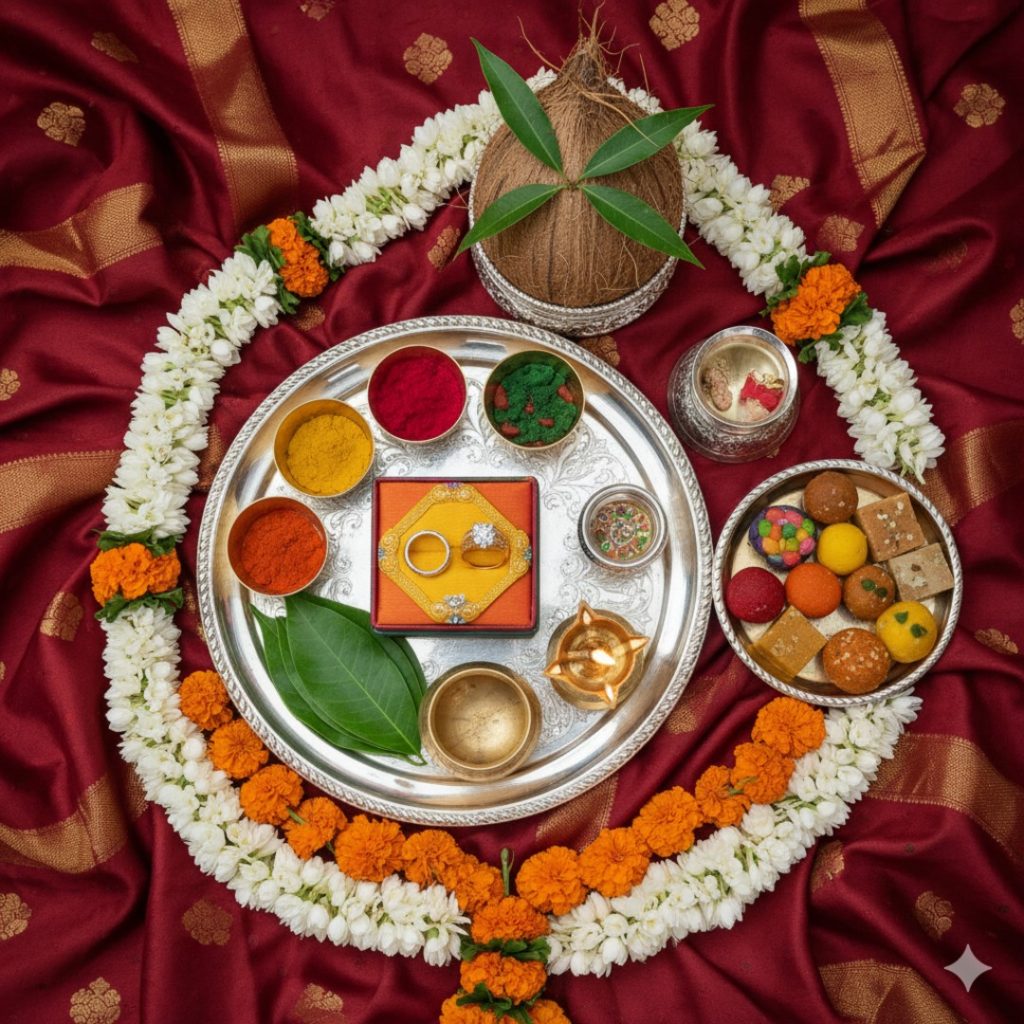
In the South, the engagement is as traditional as the wedding, usually involving a Pooja and a silk saree.
- The Look:Temple Jewellery (Lightweight).
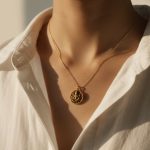
- Trend: “Lakshmi Kasu” Necklaces. Instead of the heavy, long bridal harams, brides are choosing shorter, single-layer coin necklaces. They are auspicious (Goddess Lakshmi) but light enough to move around in.
- The Gift: Gold Bangles are mandatory. The “Valayal” signifies a complete woman.
- Recommendation: Antique Finish Screw Bangles. They look divine against a Kanjeevaram saree.
3. Maharashtra: The “Sakhar Puda”
The “Sugar Ceremony” is sweet and simple.
- The Essential: The “Thushi” Necklace.
- What is it: A choker made of closely woven gold beads. It is iconic to Marathi culture.
- Modern Twist: Instead of the traditional adjustable thread, new Thushi designs come with a gold chain back and diamond pendants in the center, making them suitable for modern Paithani drapes.
- The Ring: Traditionally, the bride receives a saree and gold, while the groom receives a ring.
4. Bengal: The “Ashirbaad”
- The Gift: The mother-in-law usually blesses the bride with “Bala” (Gold Bangles) or a chain.
- Trend: Filigree (Wirework) Gold. Bengali artisans are masters of this. A filigree pendant set looks massive but is lightweight and airy—perfect for a humid day.
The Engagement Ring: The Star of the Show
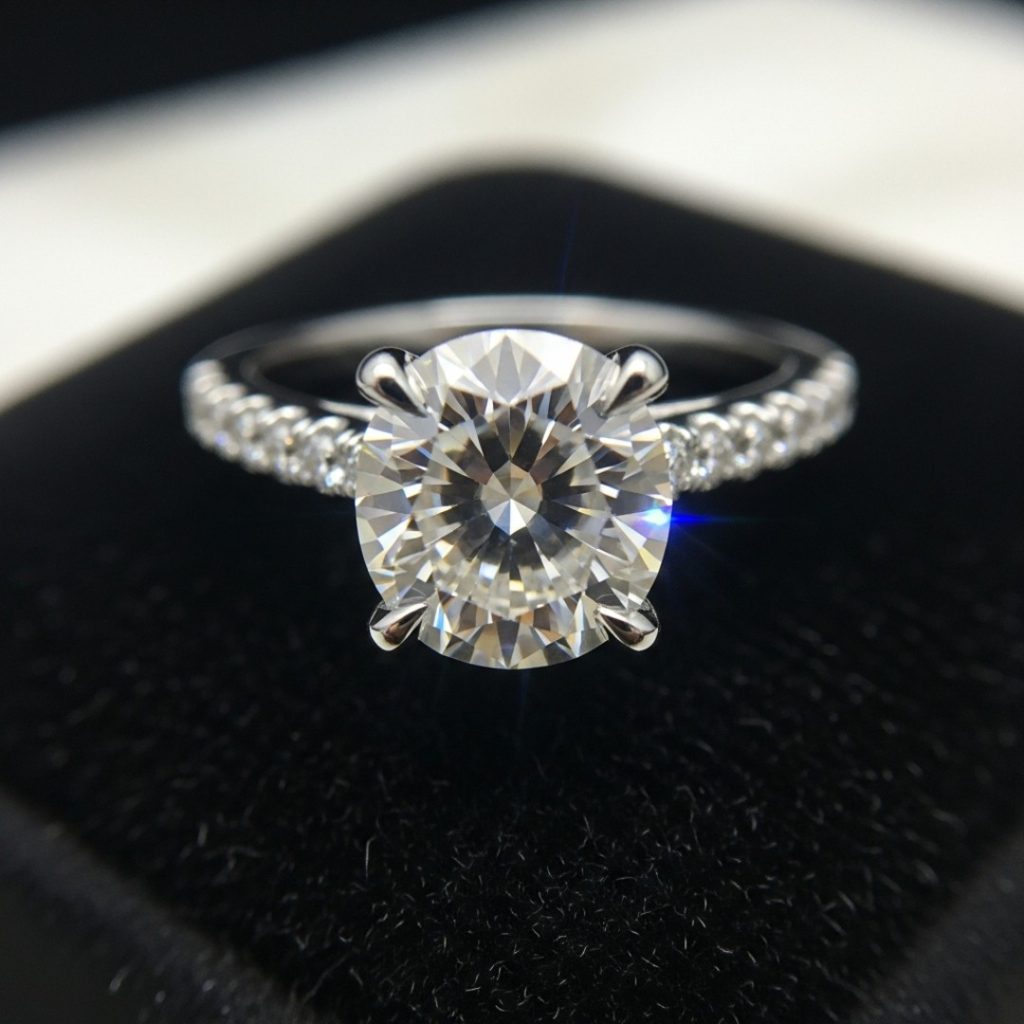
Let’s talk about the most important piece of jewelry you will ever own: The Ring. While diamonds are the modern standard, Cultural Gold Rings are making a huge comeback.
1. The “Bandhan” Ring (Couple Bands)
- The Concept: Matching rings for the bride and groom.
- The Design: A thick band of Yellow Gold or Platinum with a “shloka” or vows laser-engraved on the inside.
- Why it’s popular: It symbolizes equality. It’s not just her wearing a ring; it’s both of them.
2. The Gold Solitaire Setting
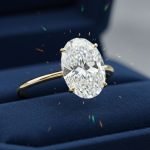
- The Trend: Instead of the standard White Gold or Platinum setting, brides are choosing Yellow Gold Prongs for their diamond solitaires.
- Why: The yellow gold makes the diamond stand out more (contrast) and feels warmer and more traditional.
- Cultural Touch: Some rings feature a “hidden halo” of small colored stones (like rubies) underneath the main diamond, adding a touch of Indian color to a western design.
3. The “Navratna” Ring
For families who believe deeply in astrology, the Navratna (Nine Gems) ring is the ultimate engagement ring.
- The Belief: It balances the planets and brings prosperity to the couple.
- The Style: A modern floral setting where the nine gems form a flower. It is colorful, cultural, and very unique compared to a standard diamond ring.
Styling for the Modern Bride-to-Be
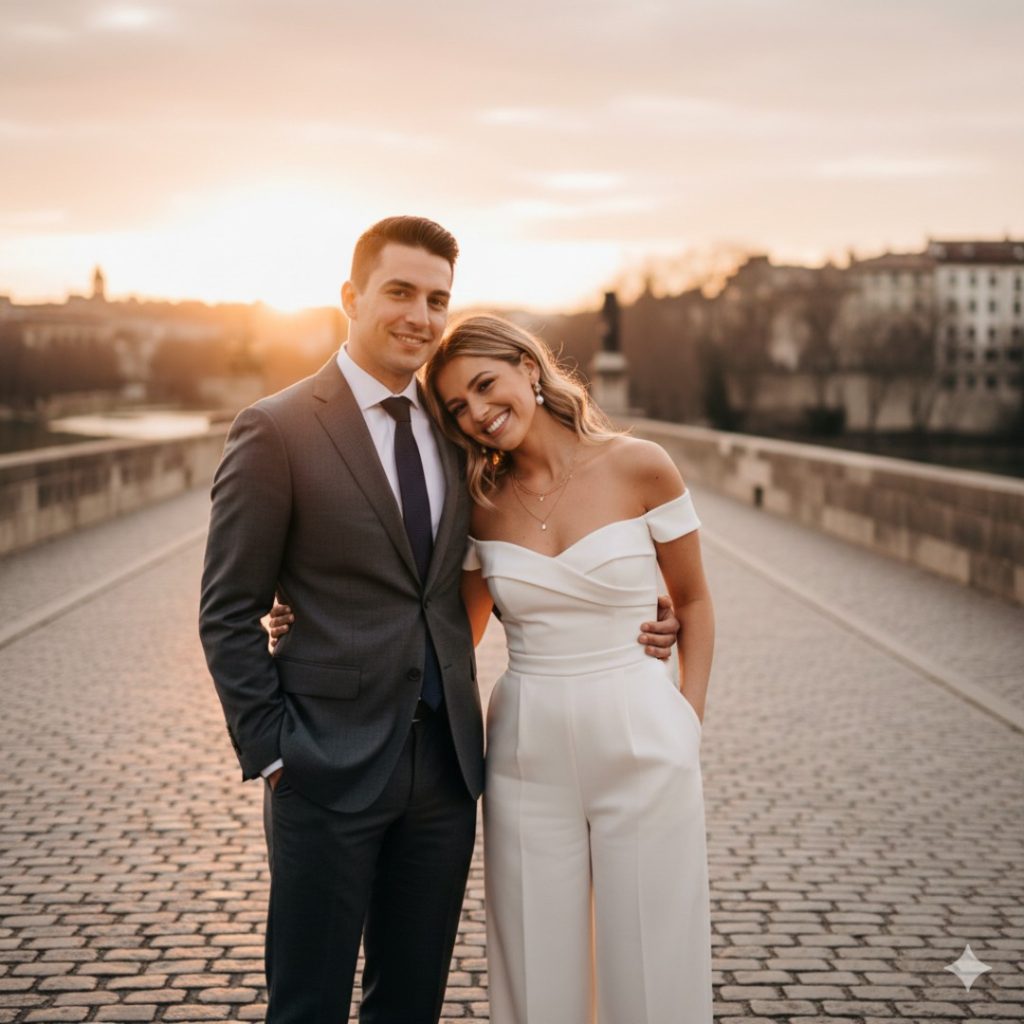
The Engagement is usually the first time you are presented to the extended family as a “couple.” You want to look stunning.
Scenario A: The Evening Gown
- The Mistake: Wearing an antique yellow gold temple necklace. It clashes with the western silhouette.
- The Solution:Rose Gold & Diamonds.
- Choose a delicate Diamond Y-Necklace (Lariat). It complements the V-neck of a gown and looks sophisticated.
- Wear Chandbali Earrings in Rose Gold. This adds an “Indo-Western” fusion vibe which is very trendy in 2025.
Scenario B: The Light Lehenga / Sharara
- The Mistake: Over-layering. Wearing a choker AND a long necklace.
- The Solution:The “Princess” Necklace.
- A single necklace that sits on the collarbone (16-18 inches).
- Look for “Jadau” work with Pastel Beads. If your lehenga is mint green, get a gold set with mint beads. It looks curated and expensive.
Scenario C: The Traditional Silk Saree
- The Mistake: Wearing tiny, invisible jewelry. Silk needs visual weight to balance it.
- The Solution:Layered Gold Chains.
- Wear a short Gold Choker and a medium-length Gold Chain.
- Add a Waist Belt (Vaddanam). It instantly makes you look like a bride-in-waiting.
Smart Buying: Budget & Investment
Roka and Engagement happen before the wedding. You need to save money for the big day. Do not blow your entire budget here.
1. Buy 18k for the Ring
If you are buying a diamond ring, do not buy 22k gold.
- 22k is too soft. You will wear your engagement ring every day. One hard knock against a doorframe, and the soft gold can bend, making the diamond fall out.
- Buy 18k or 14k. It is harder, holds the stone securely, and costs less.
2. The “Convertible” Set
This is my favorite tip for Engagement jewelry.
- Buy a heavy Pendant Set with a thick chain.
- For the Engagement: Wear it as is.
- For the Wedding: Use the chain and pendant as the second layer (the long necklace) below your bridal choker.
- This way, you aren’t buying a “one-time use” item. You are building your bridal trousseau.
3. Gold Coins (The Safe Bet)
If you are the mother-in-law and you don’t know the bride’s taste yet (or her ring size), don’t guess.
- Buy a Gold Ginny (Coin).
- Present it in a beautiful velvet box as “Shagun” during the Roka.
- Tell her, “Beta, we will go together later to exchange this for a design you love.”
- This saves money on making charges (since you aren’t buying a design she might hate) and helps you bond with her during the shopping trip later!
Conclusion: A Promise in Gold
The Roka and Engagement are beautiful because they are intimate. They are about the joining of two families, not just two people. The Cultural Gold Jewellery you choose for this day is the first brick in the foundation of your future life.
Whether you choose a humble Gold Chain, a traditional Thushi, or a sparkling Diamond Ring, remember the emotion behind it. It is a seal of trust. So, shop with your heart, but keep your brain (and these tips!) handy.
Frequently Asked Questions (FAQs)
What is the difference between Roka and Engagement jewelry?
Roka Jewellery is usually a “Shagun” or token gift given by the in-laws to the bride/groom. It is typically simpler—a gold chain, a single bangle (Kara), or a gold coin.Engagement Jewellery is what the couple wears for the ring ceremony. This includes the Engagement Ring (centerpiece) and a heavier necklace set that matches the bride’s party outfit.
Who buys the engagement ring in Indian culture?
Traditionally, the groom’s family buys the ring for the bride, and the bride’s family buys the ring for the groom. However, in modern times, many couples shop together to choose designs they like, and the respective families pay for them.
Is it better to buy a Gold Ring or a Diamond Ring for engagement?
For the official “Engagement Ceremony,” Diamond Rings are the current trend because they symbolize “forever” and look distinct from other gold jewelry. However, for daily wear after the wedding, many Indian women prefer a Gold Band or a simple gold ring because it is more comfortable and durable than a high-set diamond solitaire.
Can I wear antique temple jewelry with an engagement gown?
It is tricky. Antique Temple jewelry is very yellow and traditional. It often clashes with the modern silhouette of a gown.